Solution Spotlight
Versium Reach Enables Identity Matching To Build Data Enhanced Audiences

Versium REACH is an easy-to-use marketing tool powered by Versium’s advanced identity graph that allows B2B marketers to build niche custom audiences. Through the REACH platform, marketers can identify, understand, and reach their ideal customers. BACK-OF-THE-BOX DETAILS Versium uses powerful identity matching to create custom, data enhanced marketing audiences to be used for paid social […]
Aprimo Offers Promotional Materials Management Solution For Life Sciences

Aprimo for Life Sciences is the industry’s first promotional materials management solution that combines AI-powered work management with collaboration, markup, and digital asset management capabilities. The solution enables teams across departments and geographies to collaborate, enrich, and review content for regulatory approval and then manage that content throughout its lifecycle. Features/Functions Aprimo for Life Sciences encompasses […]
ZINFI Channel Marketing Automation Helps Barco Partner AuDeo Win IT Client Interest; Business Too

Problem: At AuDeo, a Barco, Inc. partner specializing in meeting room technology, getting the attention of IT decision makers was becoming increasingly difficult. Product-specific messaging was attracting less interest from potential customers. So AuDeo, a UK-based company, determined that it needed to develop email marketing campaigns highlighting customer stories that focused on solving IT problems […]
TIE Kinetix All-in-One Partner Automation Platform Enables Seamless Channel Marketing
Problem: Successfully executing channel marketing initiatives can be a challenge for organizations, large or small. Not only are you relying on partners to actively market your products and generate demand, but do so in a way that represents your brand accurately. The simple truth is that most can’t, due to limited time, skills and resources. […]
FotoWare Enables Consistent Use and Distribution of Your Most Important Images, Graphics and Videos
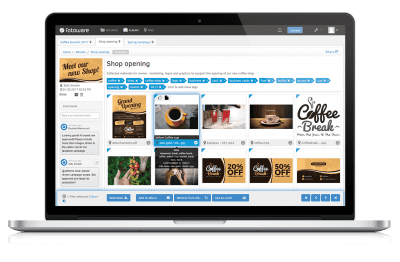
The Problem: In the ever growing demand for content, ensuring consistent branding through channel partners is becoming more challenging. All too often, partners use images, graphics and videos incorrectly in their presentations. And with increasing use of your images on partner websites, blogs or social media, you may be unaware of where and how graphics are being […]
Salesforce Introduces Out-of-the-Box PRM App to Accelerate Partner Program Inception and Expansion
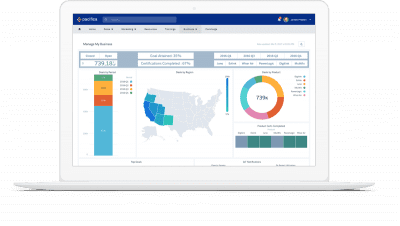
Problem: Partner relationship management has changed. More vendors are adopting the channel as a sales strategy giving partners more choices of businesses to represent. The competition for partner mindshare cannot be won with antiquated systems that are inflexible, siloed, and not mobile-ready. Partners chose to do business with vendors who can provide an experience that makes […]
EveryoneSocial Delivers Platform For Employee Advocacy
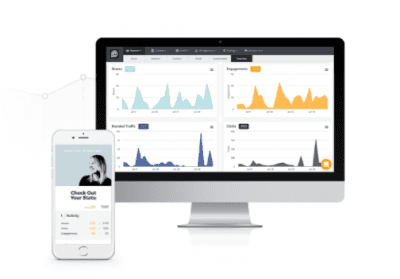
EveryoneSocial is an employee enablement and social selling software designed to help employees become brand ambassadors for their companies. Features/Functions EveryoneSocial provides tools to help roll out a successful employee advocacy or social selling program, including: The ability to push content to employees; Simple, powerful social sharing tools; Web, mobile and email tools to keep employees […]
WorkStride Incentives Offers SaaS Solution For Channel Sales Performance and Efficiency

The Problem: Most channel marketers have some form of incentive program in place for their channel sales reps. However, the traditional approach—that is, one without a central software platform—requires ample time, the juggling of spreadsheets and a threat of fraud or mistakes due to simple “human error.”
Zyme Solutions Unveils Updates To Channel Cloud Platform

Problem: Companies selling through the channel work with retailers, e-tailers, resellers and distributors, and as a result, they can easily lose touch with the lifeblood of their business – the end customer. And when it comes to collecting data from distributors and resellers, many companies rely on a mix of manually collected forms and custom-built […]
Blackhawk Engagement Solutions’ Platform Aims To Reduce Program Complexity

The Problem: Because channel marketers work with multiple partners concurrently, resellers can often feel inundated with information. On the opposite side of the partnership, most channel managers are struggling with how to obtain mindshare from their indirect sales network of resellers, distributors and channel partners.




Channel Marketer Report (CMR) is a targeted e-media publication covering the latest solutions, trends and strategies to help companies optimize their marketing, both to and through their partner networks.
CMR is a publication of

|



|

© 2024 Emerald X, LLC. All Rights Reserved